 Paper Boxes
 Paper Bags
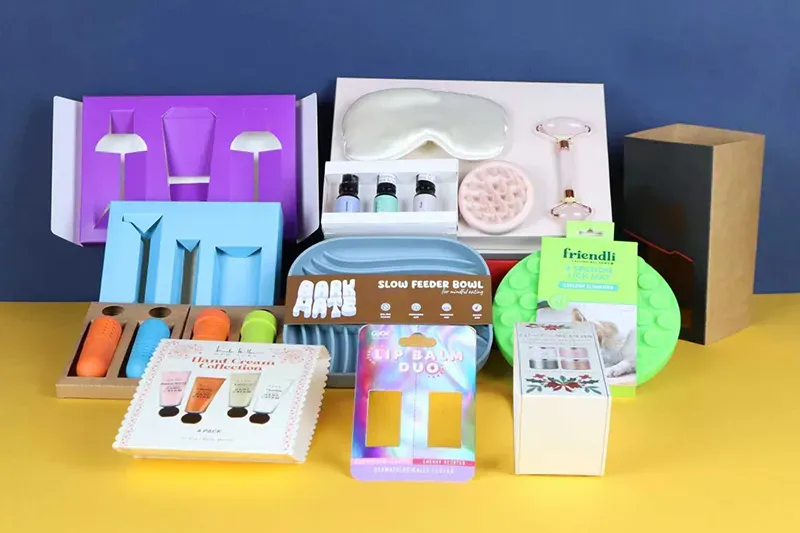 Paper Packaging Accessories
 Cosmetics & Beauty
 Personal Care
 Fragrance & Perfume
 Pet Care
 Fashion & Lifestyle Products
 Retail
 Health & Wellness
 Outdoor, Sports & Tools
 Food
 Premium Spirits & Beverages



Option Library
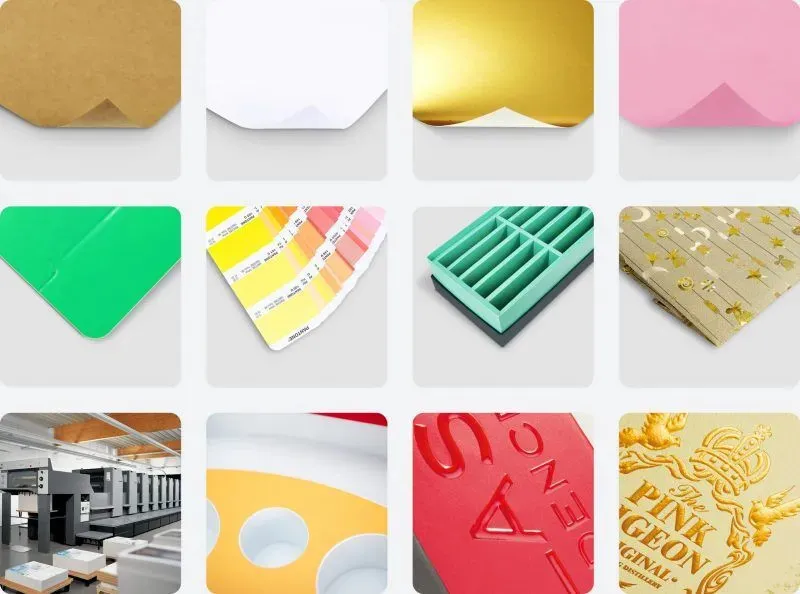
Browse epackprinting’s library of options, finishing, materials and packaging features to find how to desgin your new custom packaging.
Browse all options
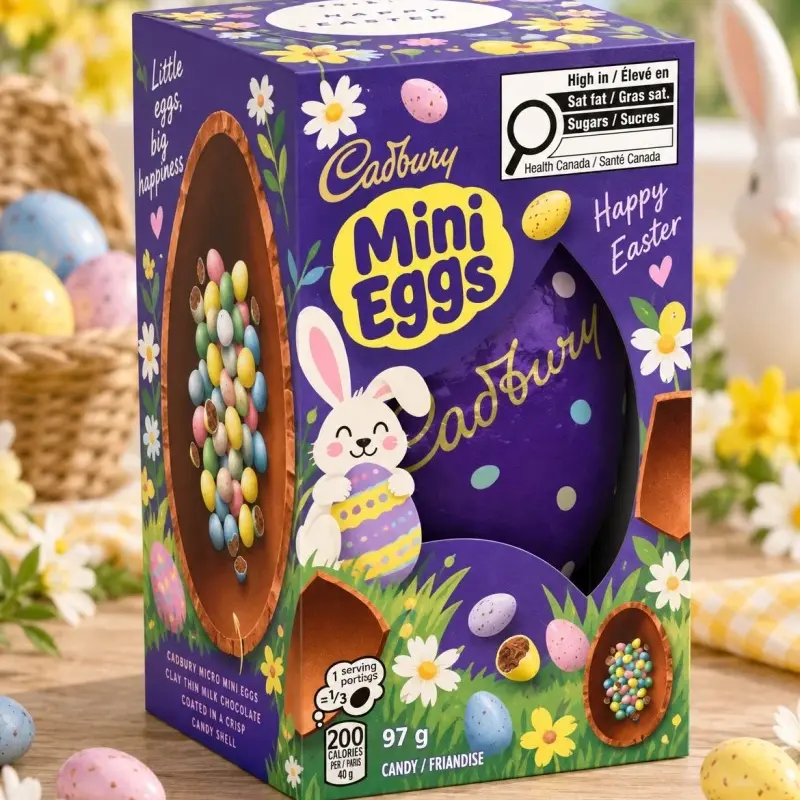
Easter Eggs Boxes
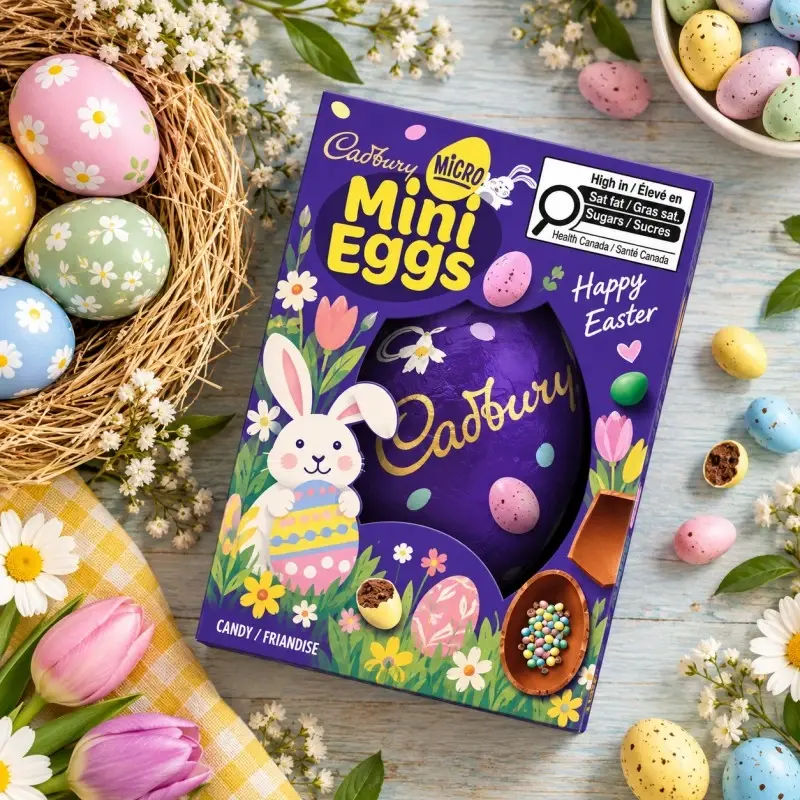
This type of Easter Eggs Boxes may not seem complicated, but when Doyoupacks actually produces them, the focus isn’t simply on “cutting an egg-shaped window.” We examine the actual product, the window, the paper insert, the paper strength, and the condition of the product after shipping—all at the same time. For brands that already have artwork, a die line, or samples from previous suppliers, my primary concerns are: Can this structure be consistently replicated? Will the product shift out of place? And will assembly remain smooth even after producing several thousand or tens of thousands of units in mass production?
MOQ:200 pieces
Why include a custom die-cut window? The core selling point of these Easter Eggs Boxes is actually the chocolate egg inside. If the entire front were sealed shut, consumers would have to rely solely on a flat illustration to understand the product; by incorporating a large, egg-shaped window, they can directly see the actual color, size, and texture of the product inside. Moreover, this window isn’t a standard square cutout—it’s a custom-shaped cutout that follows the contours of the “Easter egg.” This creates a visual connection between the structure and the product’s shape, allowing consumers to understand it at a glance.
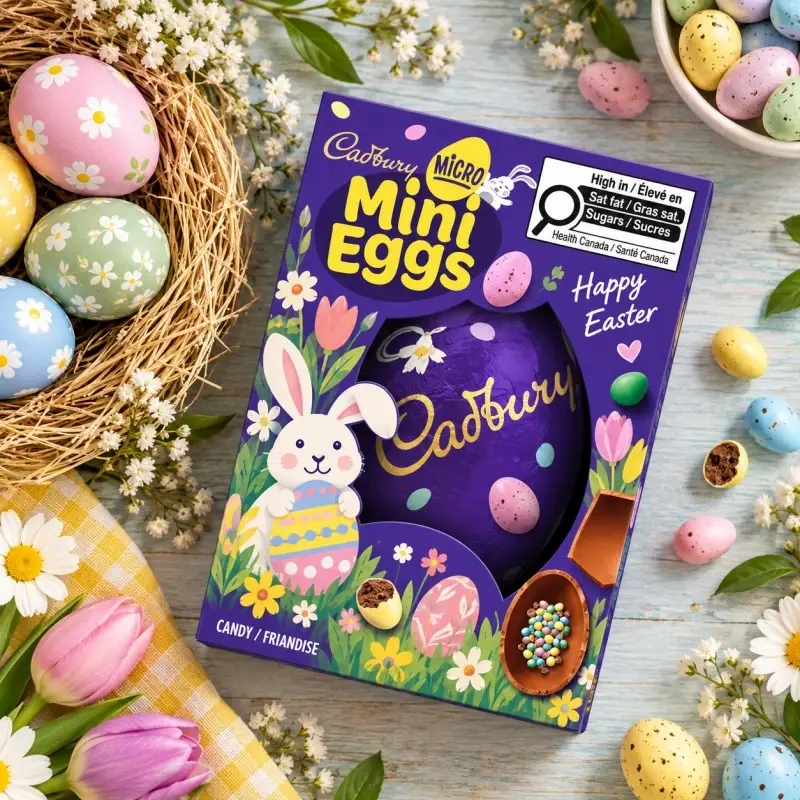
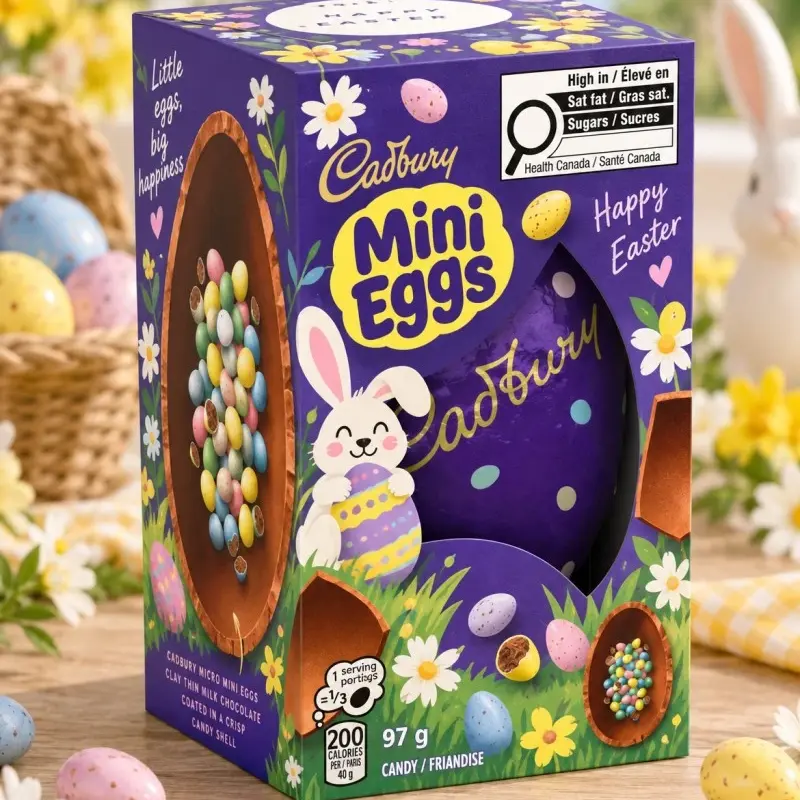
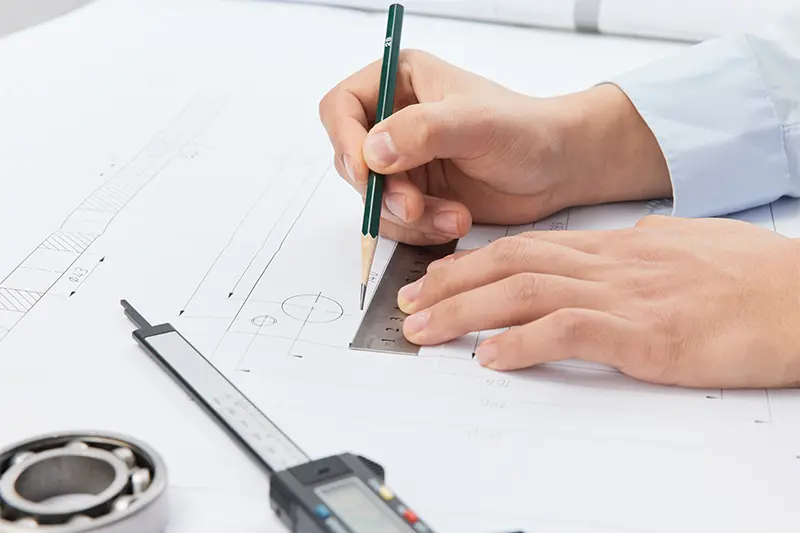
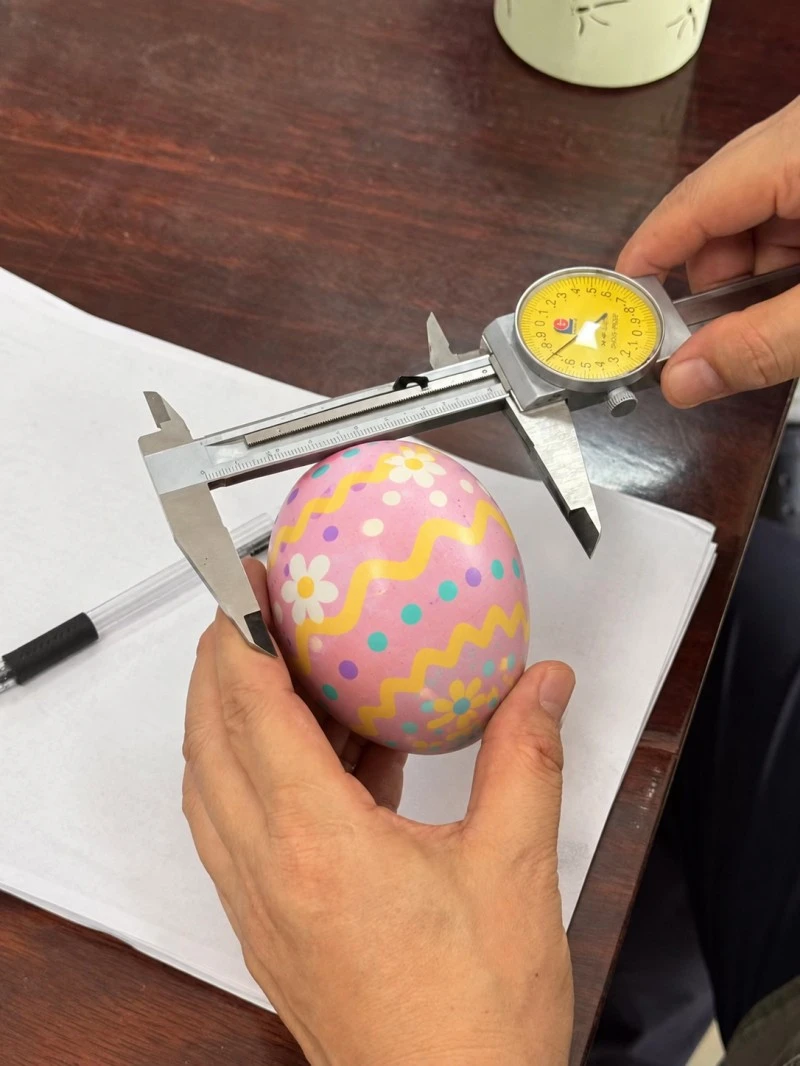
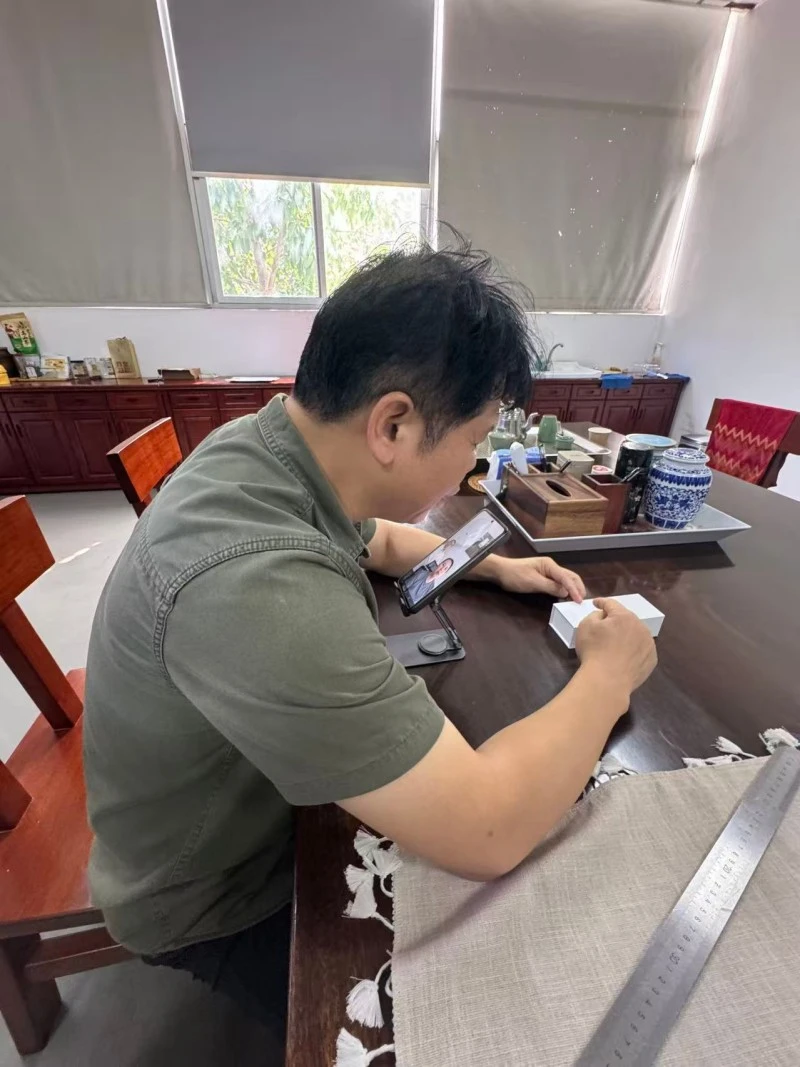
For this type of Easter Egg Packaging, this level of product visibility is more effective than simply adding another layer of printed graphics. Creating a window isn’t just a matter of randomly drawing a shape on a design draft. We first measure the actual product to determine which parts are most worth showcasing, then establish the window’s dimensions, position, and how it aligns with the inner paper insert. The photo shows the owner of Doyoupacks taking measurements of the product on-site and drawing a packaging structure diagram based on the actual dimensions.
Why No Clear PET Window?
Why does Doyoupacks not necessarily recommend transparent PET? When many customers see a window in the packaging, their first reaction is to ask, “Should we add a layer of transparent PET?”
But for this project, I would instead ask first: Does the chocolate egg inside already come in its own individual aluminum foil or food packaging? If the product already has its own primary Chocolate Egg Packaging, then transparent PET on the outer box is often not necessary.
There are several practical benefits to not using PET:
|
Simpler structure |
Eliminates the PET sheet, window adhesive, window patching process, and related labor. |
|
Easier to create a mainly paper-based packaging structure |
Consumers do not need to separate the plastic window from the paperboard when disposing of the packaging. |
|
Reduces unnecessary mixed materials |
For brands selling into the European market, reducing unnecessary mixed materials is also a more practical approach to packaging minimization and recyclability. |
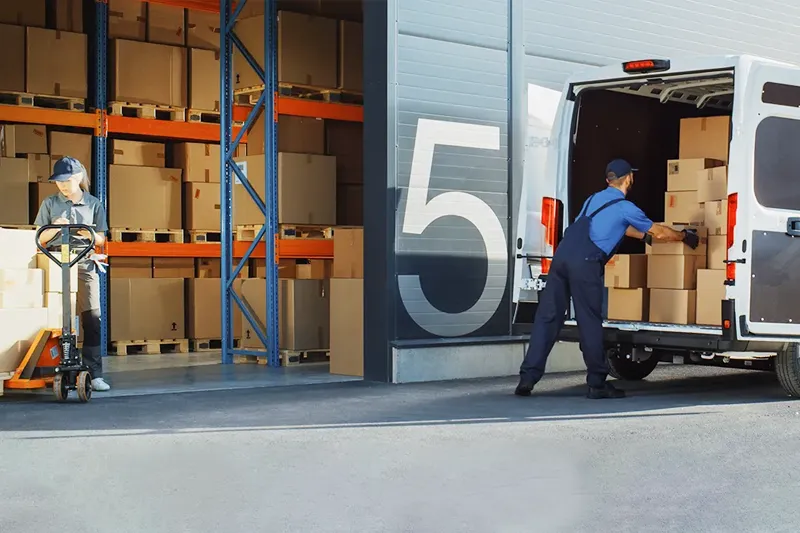
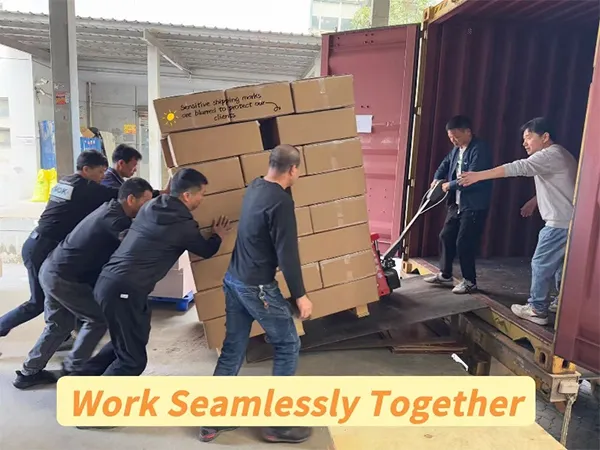
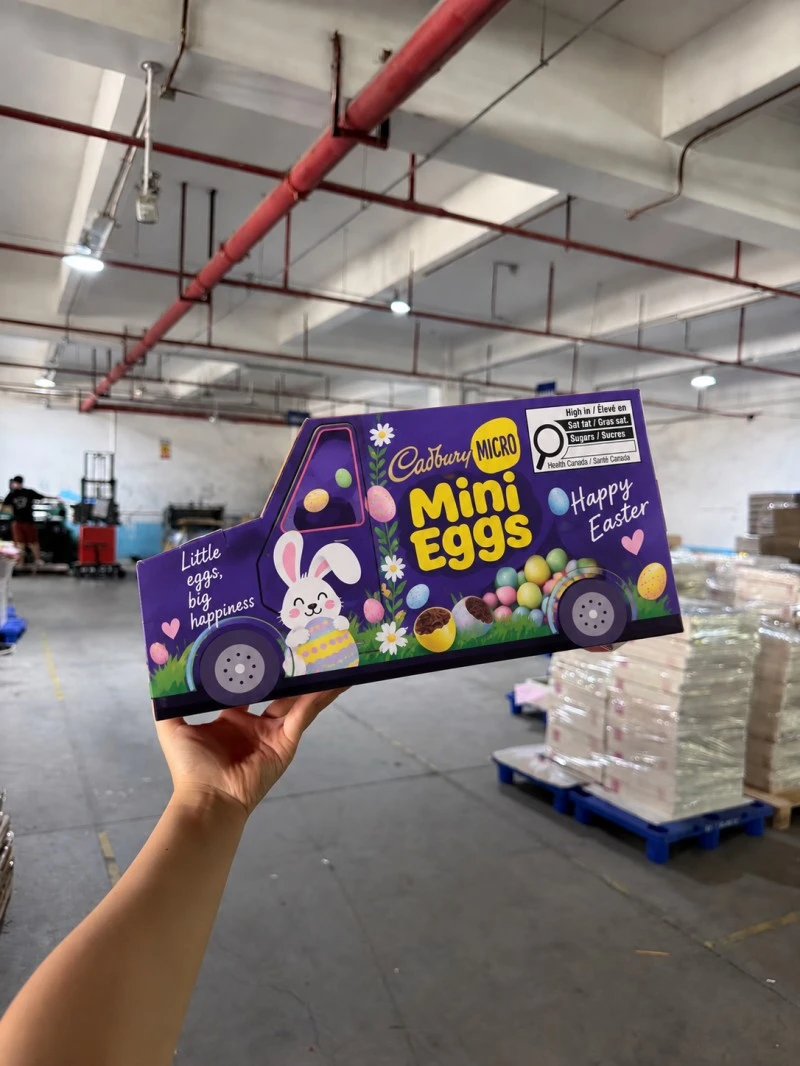
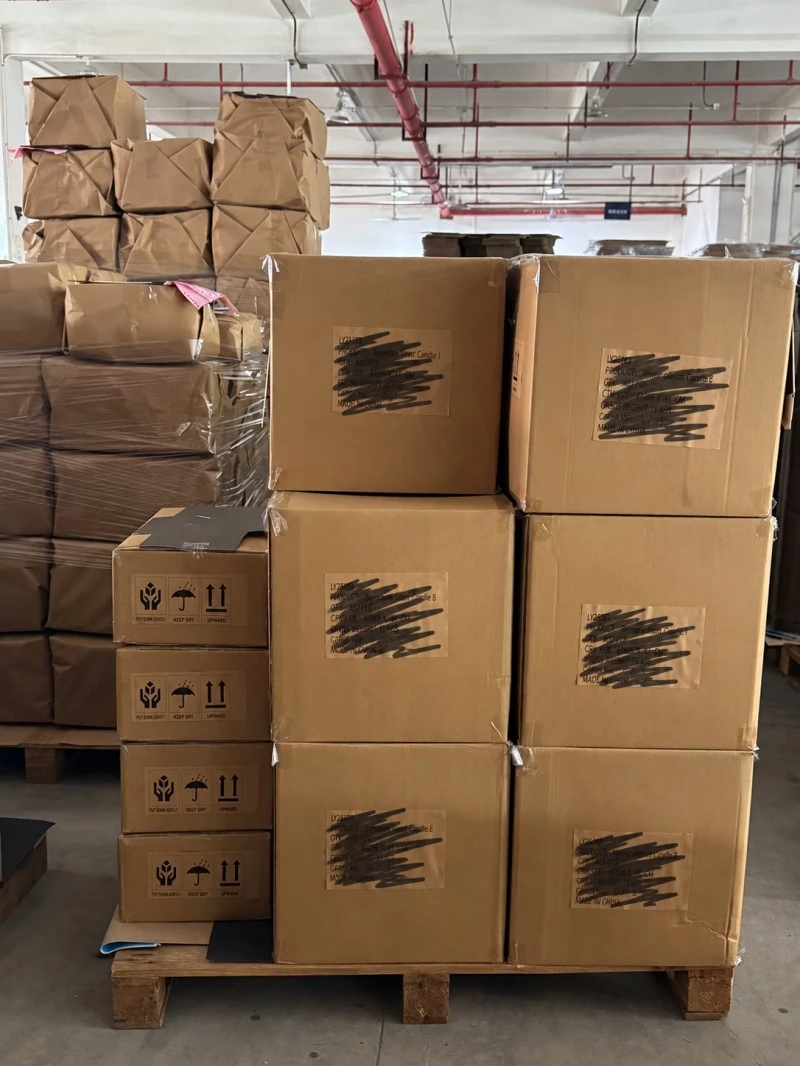
However, we can’t simply say that the absence of PET is always more environmentally friendly. If the product itself is exposed without any independent protection, or if the customer needs protection against dust, handling, or drops, then a transparent window still serves a practical purpose. So we usually start by determining whether the window is intended solely for display or if it also serves a protective function. If it’s purely for display, I prefer a PET-free die-cut window. To help our clients enter large retail chains like Sam’s Club, Walmart, and Costco, we’ve also produced matching PDQ display boxes. Below are photos of the finished products, taken inside the factory. Once the products are finished, Doyoupacks’ top priority isn’t immediately loading them into containers; rather, it’s first confirming quality control (QC), quantity, and packaging methods. After confirmation, the production floor can proceed directly to packing, labeling, and container loading. Our process is well-established, so shipping is fast. At the same time, through sorting, counting, and packing verification, we keep the probability of mispackages and omissions very low.
One-Piece Paper Insert
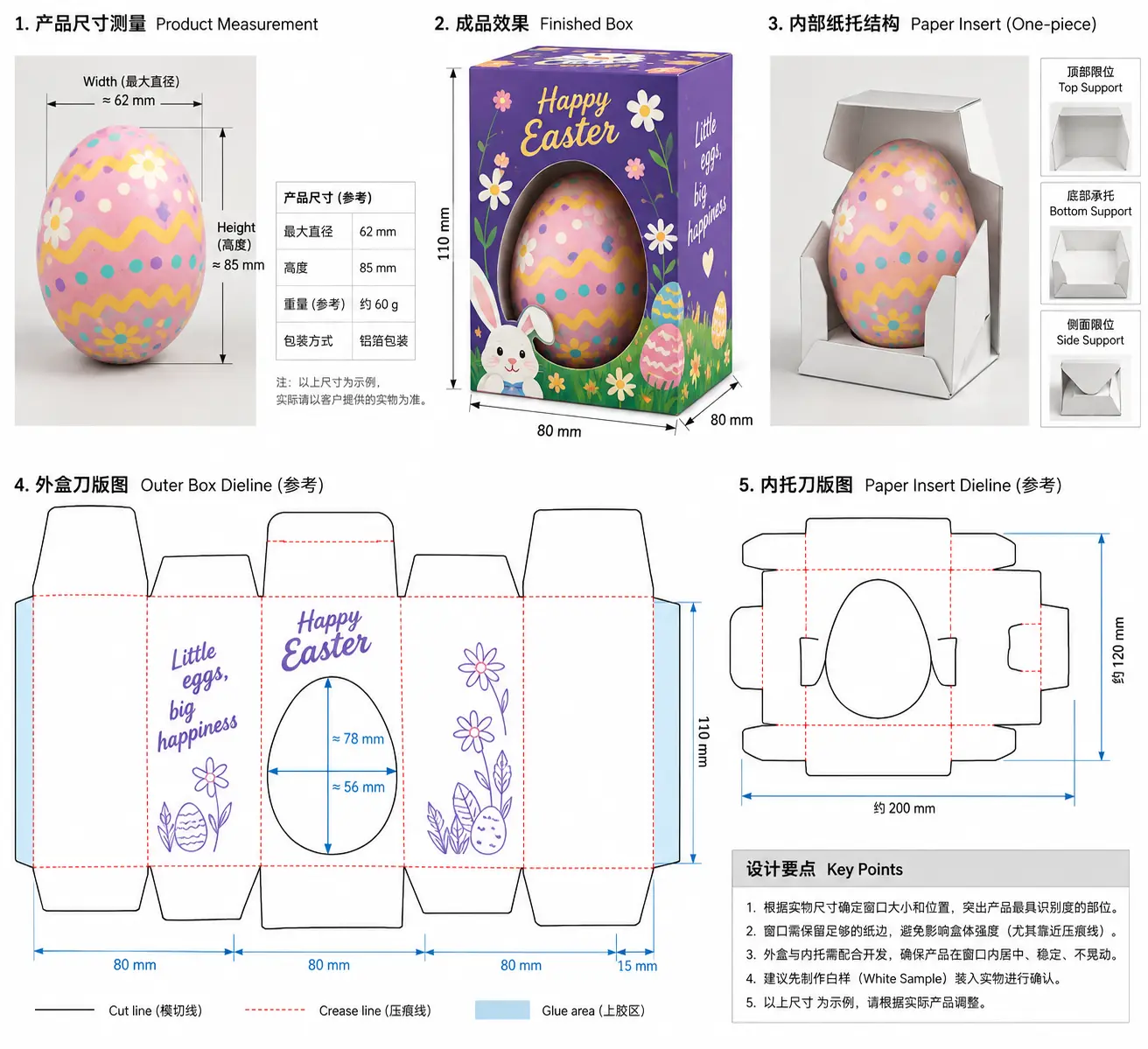
How is the egg inside secured? For this project, we can’t simply stuff the chocolate egg directly into the paper box. It will shift back and forth during shipping, which could result in the product shifting out of the center of the window, the top of the egg hitting the box surface, the aluminum foil getting worn, the chocolate cracking, and the product being crooked upon opening the box. If we were to develop this, Doyoupackswould prioritize a one-piece die-cut paper insert. This involves folding a single sheet of cardboard into an internal securing structure through die-cutting, creasing, folding, and locking tabs. A cradle or support opening, closely matching the outline of the chocolate egg, is created in the center to hold the product in place; cardboard stops are added at the top and bottom or front and back. The key is that a tighter fit isn’t necessarily better—if it’s too tight, it will crush the foil wrapping. If it’s too loose, the product will shift during shipping. Therefore, the structural design for this type of Easter Packaging must be tested using the actual product dimensions, rather than simply drawing die-cut lines based on an elliptical dimension provided by a designer. The image below shows a conceptual diagram of the packaging structure die cut created by a Doyoupacks designer.
|
We normally evaluate the following factors together before determining the appropriate insert clearance |
|
Maximum product diameter |
|
Product height |
|
Center of gravity |
|
Foil thickness |
|
Allowable compression |
|
Product loading orientation |
Q&A
Q1: What is the difference between an economical and a premium option for Boxes Of Easter Eggs?
A1: For an economical version, I would usually recommend 350–400gsm SBS + CMYK printing + aqueous coating + die-cut window + one-piece paper insert. It is a straightforward structure, easier to produce consistently, and works well for seasonal retail orders in the 5,000–20,000 pcs range.
For a premium version, we can upgrade to premium FBB, Pantone brand color, matte lamination and selective foil. Doyoupacks would not recommend adding foil, UV and emboss everywhere. For Easter Eggs Boxes, the product itself should still be the main visual focus. A cleaner structure with better board, more accurate color and controlled finishing usually gives a more premium result than simply adding more processes.
Q2: What information should we provide to get an accurate quote?
A2: It’s best to provide the following information all at once: product size, weight, artwork, Pantone colors, quantity, window requirements, and shipping destination. If you already have the product or old packaging, it would be more effective to send a physical sample directly.
If you already have artwork, a die-line, or a sample from a previous supplier for Boxed Easter Eggs, you can send it directly to Doyoupacks for a structural and cost evaluation:
Email: packsale1@doyoupack.com WhatsApp: +86 180 6096 7204 WeChat: +86 13799748038 FB: Doyoupack Packaging|Instagram: doyoupack
Q3: Should we remove the PET window to meet EU requirements?
A3: It’s not that simple. The EU PPWR requires packaging to be designed with a focus on reduction and recyclability, but the packaging must still fulfill its necessary protective functions. Whether to remove the PET window depends on whether the product already has primary packaging and whether the window serves both hygienic and protective purposes.
Q4: Why is die-cutting tolerance so important for Boxes Easter Eggs with a display window?
A4: Because the most visible problem is often not the artwork itself, but the window not aligning with the product. The deviation can come from the outer carton die-cut, insert die-cut, folding, assembly, or even slight size variations in the real product.
For this reason, Doyoupacks do not develop the outer box and insert separately. We check the outer carton + paper insert + real product together during the white sample stage. This is especially important when the window is close to graphic elements such as the bunny, flowers or text, because even a small print-to-cut registration shift can be very noticeable.
Hot Tags: Easter Eggs Boxes, China, Manufacturer, Supplier, Factory